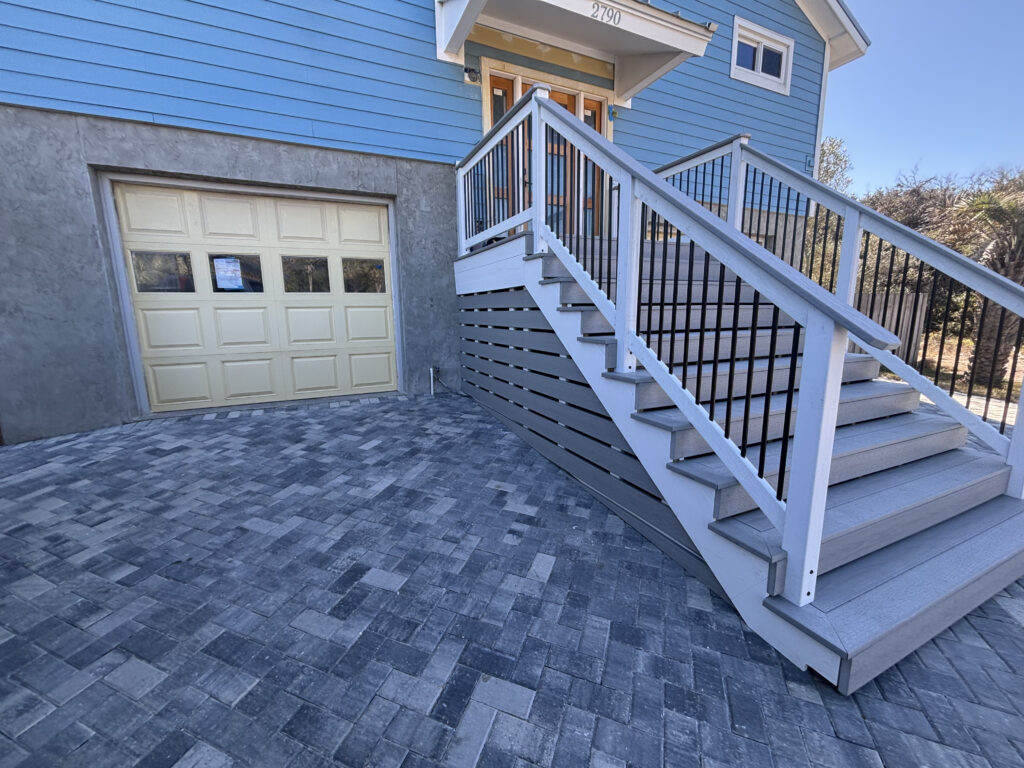
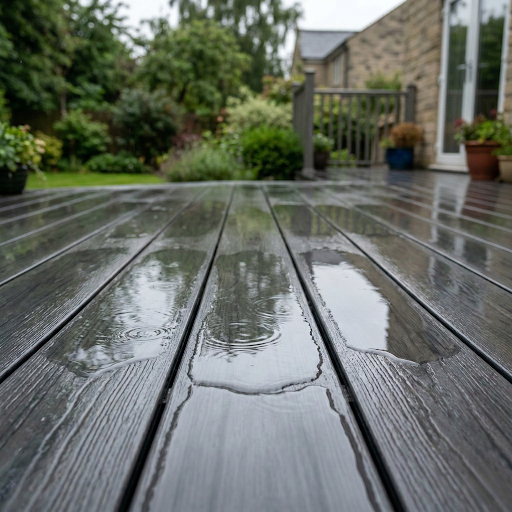
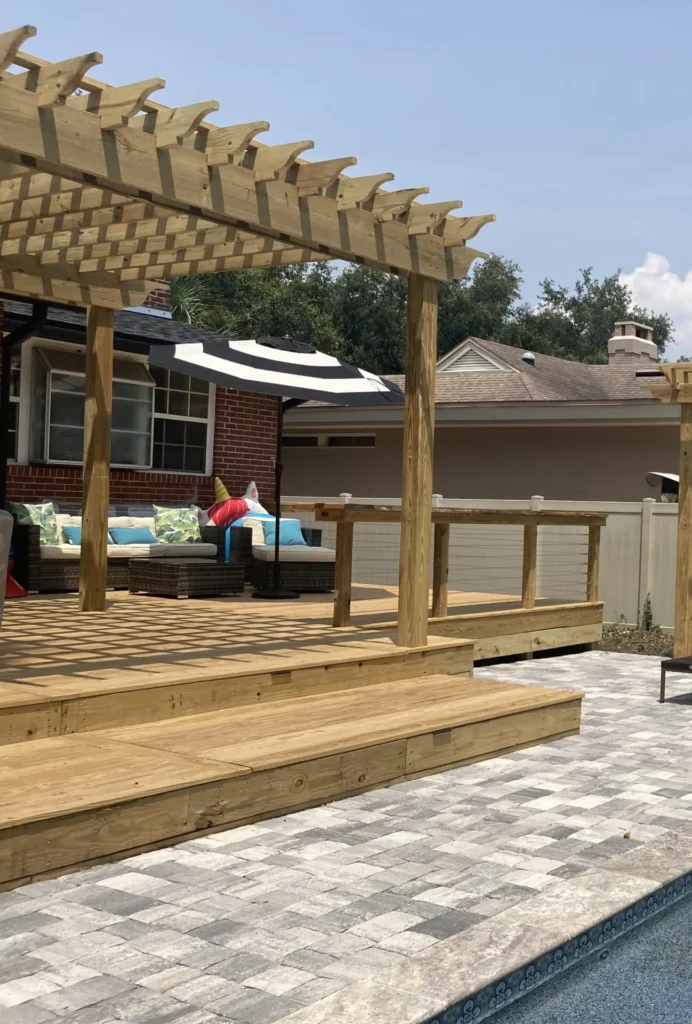
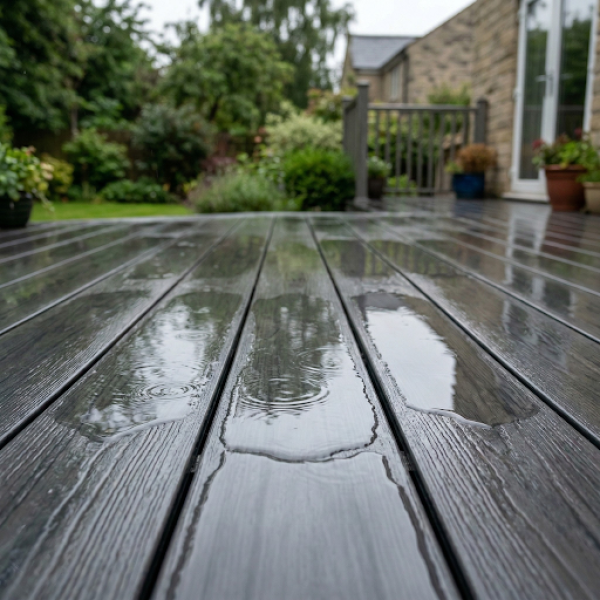
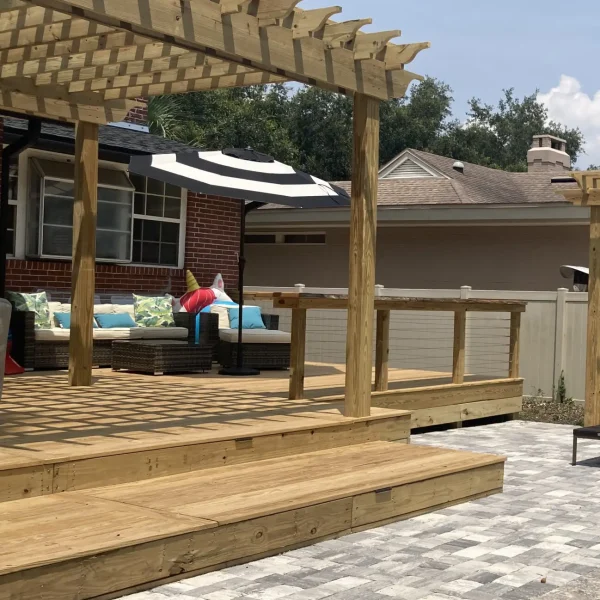
The hardest part of building a deck in Jacksonville may be picking a material that won’t warp or break your budget when hurricane winds strike. Outdoor living is a big deal here, but so is storm season. Deck boards must offer more than aesthetics and stand up to constant precipitation, salty air, and the violent winds in coastal Florida.
We know it’s possible. A recent MIT study of Hurricane Sandy showed that storm-ready design can “bend and not break” even when floodwaters reach four feet high. The park they studied? Its decking, pavilion canopy, and other structures withstood the storm with minimal damage.
Stop Dreaming.
Start Building Today!
Not to mention, we’ve installed hundreds of sturdy composite decks in Jacksonville over a decade with excellent reviews.
In this guide, we’ll explore whether composite decking can offer Jacksonville homeowners the same kind of resilience. We’ll break down how it stacks up against wood and PVC, what it costs, which designs work best in this climate, and how to maintain it so you can enjoy your backyard with confidence, even in hurricane season.
Making a Case for Composite Decking Against Hurricanes
When you’re weighing a new deck in Jacksonville, the choice usually comes down to three materials: composite, natural wood, and PVC. Each has its strengths and drawbacks, but only one consistently delivers long-term peace of mind in hurricane country.
Composite is made from a mix of recycled wood fibers and plastic, often finished with a protective “cap” that shields it from water and UV rays. It’s built for durability. Wood decking, on the other hand, has a timeless look, but it struggles in Florida’s humid, stormy climate.
Meanwhile, PVC decking is all plastic, with no wood content. That makes it highly resistant to water, but not without trade-offs, most especially its “fake” look.
Material | Hurricane Strengths | Weak Points | Average Lifespan |
Composite | Resists rot, UV, and high winds if installed properly | Higher upfront cost, heavier boards | 25–50 years |
Natural Wood | Classic look, initially cheaper | Warps, rots, insect-prone, heavy upkeep | 10–15 years |
PVC | 100% moisture-proof, very low maintenance | Costly, less natural look, can overheat | 25–30 years |
Cost & Durability in Jacksonville
When you’re building a deck in Jacksonville, cost isn’t just about what you pay up front. It’s about how much you’ll spend maintaining it year after year and how long it will actually last through hurricane seasons.
Composite Decking
Upfront cost: $25–$45 per square foot installed.
Durability: 25–50 years, depending on brand and proper installation.
Maintenance: Just soap, water, and the occasional inspection. No sanding, sealing, or staining.
Long-term value: High upfront cost, but minimal maintenance and long lifespan means lower lifetime cost per year of use.
Natural Wood
Upfront cost: $15–$30 per square foot installed.
Durability: 10–15 years in Florida’s humid climate.
Maintenance: Needs yearly sealing or staining plus regular inspections for termites and rot.
Long-term value: Lower initial investment, but higher annual upkeep and shorter lifespan add up to more cost in the long run.
PVC Decking
Upfront cost: $30–$55 per square foot installed.
Durability: 25–30 years.
Maintenance: Very low; only occasional cleaning.
Long-term value: Holds up well against moisture, but can be pricier than composite while offering fewer style options.
Quick Cost Comparison Over Time
Material | Upfront Cost (per sq. ft.) | Avg. Lifespan | Annual Maintenance | Lifetime Value |
Composite | $25–$45 | 25–50 years | Minimal | Best balance of cost + durability |
Natural Wood | $15–$30 | 10–15 years | High | Lower upfront, but more costly long-term |
PVC | $30–$55 | 25–30 years | Minimal | Durable, but pricier with fewer aesthetic options |
Bottom line: Composite decking costs more up front than wood, but over decades of hurricane season, it typically delivers the best balance of price, durability, and peace of mind.
Maintenance Tips for Hurricane Resilience
Composite decking takes much of the hassle out of upkeep, but a little routine care goes a long way toward storm-proofing your space. Here’s how Jacksonville homeowners can keep their decks ready for hurricane season:
Before Hurricane Season
Inspect fasteners and framing: Make sure joists, posts, and connections are secure. Composite boards are heavier than wood and need solid support.
Check railings and stairs: Loose sections can become dangerous in high winds.
Trim nearby trees: Overhanging branches are a common source of storm damage.
During Storm Prep
Secure outdoor furniture and grills: These can turn into projectiles and damage your deck.
Clear the surface: Sweep away leaves and debris to reduce trapped moisture.
After a Storm
Check connections again: Tighten any hardware that loosened in high winds.
Look for hidden damage: Inspect the underside of the deck for stress or movement.
Clean the surface: Rinse off salt spray, dirt, or debris to prevent buildup.
Good news: Unlike wood, composite decking doesn’t require sanding, sealing, or staining after every storm season. A quick clean and a routine inspection are usually all it takes to keep it looking and performing like new.
Common Mistakes to Avoid
Even the best materials can underperform if they’re installed or maintained incorrectly. Here are the pitfalls to avoid when building a composite deck in hurricane country:
1. Choosing Cheap, Uncapped Boards
Not all composite boards are created equal. Lower-end boards without protective caps are more vulnerable to fading, swelling, and storm damage.
2. Skimping on Framing Strength
Composite is heavier than wood. If joists are spaced too far apart or the frame isn’t hurricane-rated, you may end up with bounce, sagging, or even structural failure during high winds.
3. Overlooking Heat Expansion
Dark-colored boards can absorb more heat and expand in the Florida sun. Choosing lighter colors or brands with heat-resistant technology helps keep boards stable and comfortable underfoot.
4. Ignoring Warranty Guidelines
Most composite decking comes with 25–50 year warranties, but only if you follow the manufacturer’s installation specs. Cutting corners during installation could void valuable protection.
Avoiding these mistakes ensures your investment pays off through daily use and every hurricane season that comes your way.
Ready to Build a Deck That Lasts Through Hurricane Season?
Composite decking can be more than a resilient deck board option, but also an aesthetic choice. Jacksonville homeowners who go composite enjoy a deck that resists rot, warping, and fading while standing up to the region’s toughest weather. It means fewer repairs, less stress, and more time enjoying your backyard.
Instead of sanding or sealing every year, you’ll spend hurricane season with confidence, knowing your deck was built to bend, not break. That peace of mind is what makes composite such a smart investment.
Get a free estimate for a hurricane-ready deck today.
Frequently Asked Questions About Composite Decking in D
Yes—when installed correctly. Composite boards are denser and heavier than wood, which makes them less likely to lift in high winds. The real key is the framing and fastening system. Hurricane-rated joists, secure fasteners, and proper spacing help ensure the deck stays put even during storm season.
Up front, composite usually costs $25–$45 per square foot installed, while wood runs $15–$30. But wood requires sealing, staining, and repairs every year, and it lasts only 10–15 years in Florida. Composite can last 25–50 years with minimal upkeep, making it a better long-term investment.
Top performers in Florida’s climate include Trex, TimberTech, and MoistureShield. Trex is known for its capped boards and long warranties, TimberTech offers both composite and PVC lines for added moisture resistance, and MoistureShield has heat-reducing technology that keeps boards cooler under the sun.
Clear off furniture, grills, and décor so they don’t become projectiles. Sweep away leaves and debris, check that railings and fasteners are secure, and trim nearby branches that could fall onto the deck. Simple prep steps help minimize storm damage.
DIY is possible for handy homeowners, but hurricane-prone areas demand precision. Composite requires proper joist spacing, hidden fasteners, and sturdy framing to meet warranty and safety standards. For peace of mind—and to protect your investment—hiring a professional installer is usually the smarter choice.

Written By:
Coastal Outdoor Construction
Let's Talk About Your Decking Project
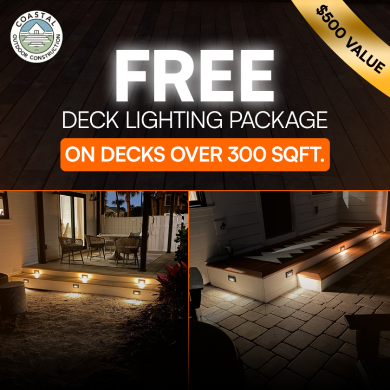
Enter your details below to lock in your $500 lighting credit.